
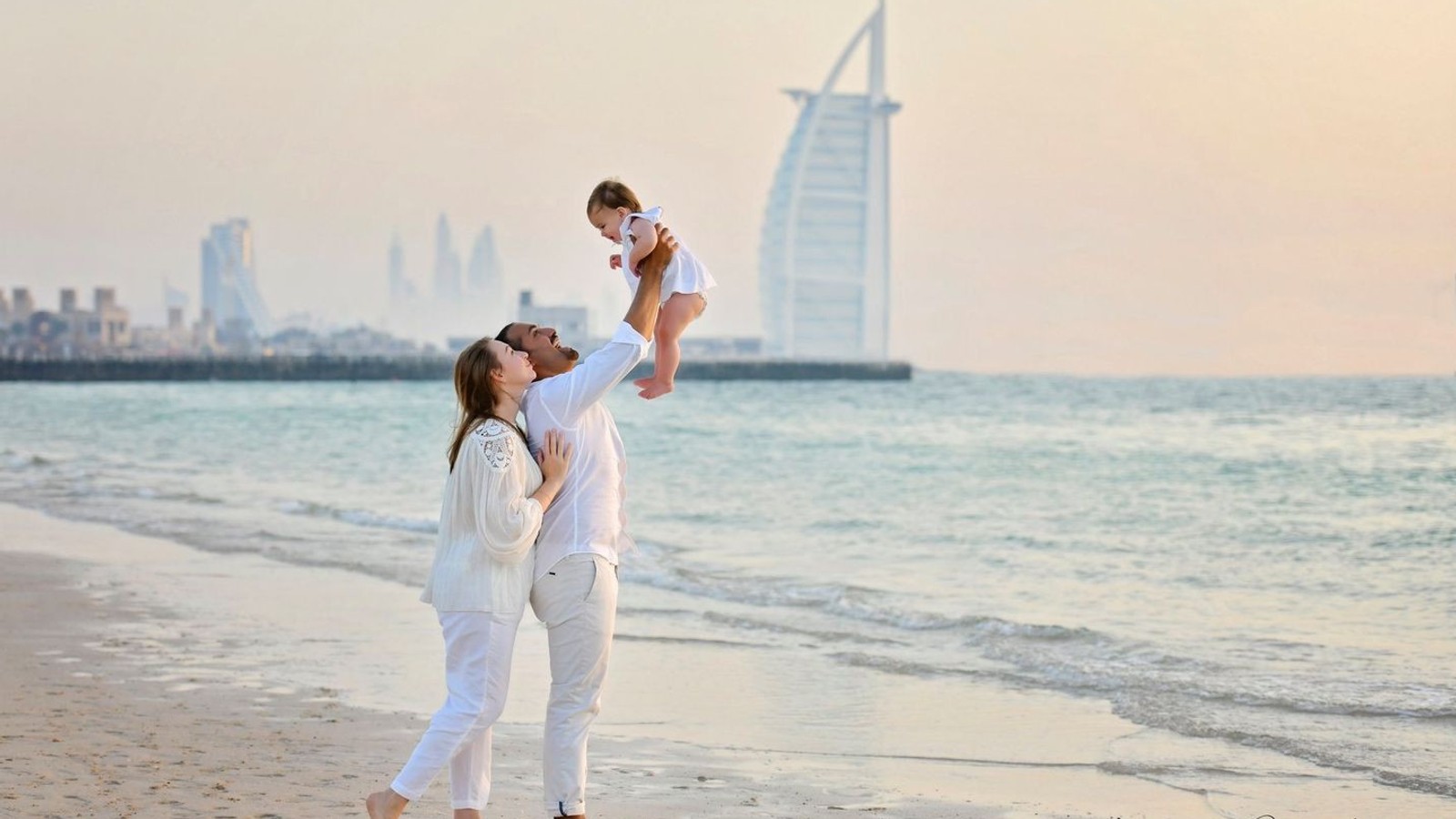
The UAE's Year of Family 2026 asks the property sector a different question: not what families can buy, but what their homes can protect, enable and strengthen. Here is what the national initiative actually commits to, what Dubai's property regulator showed at this month's International Property Show, and where a family-first approach could show up in everyday housing costs.
When a Home Protects Wellbeing, Real Estate Becomes Part of Building People
The UAE's Year of Family 2026 asks the property sector a different question: not what families can buy, but what their homes can protect, enable and strengthen. Here is what the national initiative actually commits to, what Dubai's property regulator showed at this month's International Property Show, and where a family-first approach could show up in everyday housing costs.
Why This Matters
Property commentary usually measures success in transactions, prices and handovers. The Year of Family invites a second measure: whether the homes being built and sold actually make family life easier. That is a harder standard to quantify, but it is the one households apply when they choose, and it increasingly sits alongside the market data buyers and investors already follow.
What the Year of Family Actually Is
A national theme with a policy structure behind it, and housing is one of the sectors it names.
The UAE President declared 2026 the Year of the Family during the 2025 annual government meetings, as part of the National Family Growth Agenda 2031. A national task force of more than 20 federal and local entities, led by the Ministry of Family, was formed to coordinate delivery across healthcare, education, housing, the economy and media, with a focus on policy development, behavioural insights and reproductive health support.
For real estate, the relevant point is not a new regulation. It is that housing now sits explicitly inside a national family agenda, which gives developers, lenders and regulators a shared reference point when they talk about homeownership, affordability and community design.
What Dubai's Property Regulator Put on the Table
The First-Time Home Buyer Programme is the most direct link between the family agenda and the property market, because it targets exactly the households taking their first step into ownership. Its reach so far is a useful baseline for judging how much of the family-first language turns into practical access.
A Family Is Never Choosing Square Footage Alone
When a household picks a home, it is choosing where children will grow up, where parents will rest and where grandparents will gather. Access to work, schools and hospitals matters, but so do safety, comfort and the people next door. The old saying about choosing the neighbour before the house holds because a property is bought once, but lived in socially every day.
"In the UAE, everyone is Emirati through their love for this land and their contributions to it."
The argument built on that idea is that people take part in national progress through work and responsibility, so established business families carry a duty to build with purpose rather than simply build more. That is a viewpoint, not a measurable standard, but it frames the practical question that follows.
From "How Much Can I Extract?" to "How Much Can I Return?"
The commentary's central idea is that developers should consider the recurring pressures families live with after handover. Here is where that thinking could show up in practice.
Service Charges and Utilities Are a Monthly Reality
Service charges commonly run around AED 10 to 30 per square foot a year for apartments, and cooling and water add to the bill. For a family budget, how a building keeps those predictable matters as much as the purchase price.
Commute and School Run Are Costs Too
A community that shortens the daily school and work run returns hours to a family every week. That is a cost saving that never appears in a listing price.
Cleaning, Deliveries and Household Needs Add Up
The commentary highlights recurring spend on water, household products, cleaning, deliveries and daily services. Communities that bundle or simplify these can ease pressure on households, if the bundling is transparent and fairly priced.
Layouts and Amenities That Work for Grandparents to Toddlers
Homes and public spaces that suit several generations at once, with safe outdoor space, step-free access and shared facilities, support the multi-generational households the Year of Family is meant to reinforce.
"Economics of Care" Has No Official Definition
The phrase is an argument about developer behaviour. Unlike a regulation or a rating, it cannot be checked against a threshold, so buyers should look for specific, contractual commitments rather than the language alone.
Wellbeing Language Can Outrun Delivery
As family-first themes gain visibility, expect more launches to use them. Ask what is actually included, who bears the ongoing cost, and how it is written into the sale agreement.
Questions Worth Asking Before You Buy a Family Home
- What are the current, not just the originally quoted, service charges, and what do they cover?
- How long is the real school and work run at peak hours, tested by driving it yourself?
- Which family-oriented features are written into the contract, and which are only in the brochure?
- Who manages the community after handover, and how are charges reviewed over time?
- Does the layout still work if parents or grandparents join the household in future?
The Year of Family does not rewrite property rules, but it does change the question being asked of them. The homes that serve it best will be the ones that lower the daily pressure on families, in cost, in time and in stress, and the clearest test is whether those promises show up in a signed agreement and a monthly statement, not only in a launch speech.

About the author
Fawad Khan
Head of Sales (Off Plan)
With 7+ years in the UAE real estate market, and born and raised in Dubai, Fawad Khan brings strong local insight, hands-on market experience, and a fast-growing reputation shaped by his journey in the city’s property sector.
About the author
Fawad Khan
·Head of Sales (Off Plan)With 7+ years in the UAE real estate market, and born and raised in Dubai, Fawad Khan brings strong local insight, hands-on market experience, and a fast-growing reputation shaped by his journey in the city’s property sector.


